Amplification is crucial for electric instruments and live performance. Whether you're practicing at home, gigging at venues, or recording in the studio, choosing the right amplifier dramatically affects your tone and playing experience.
Valve (Tube) Amplifiers
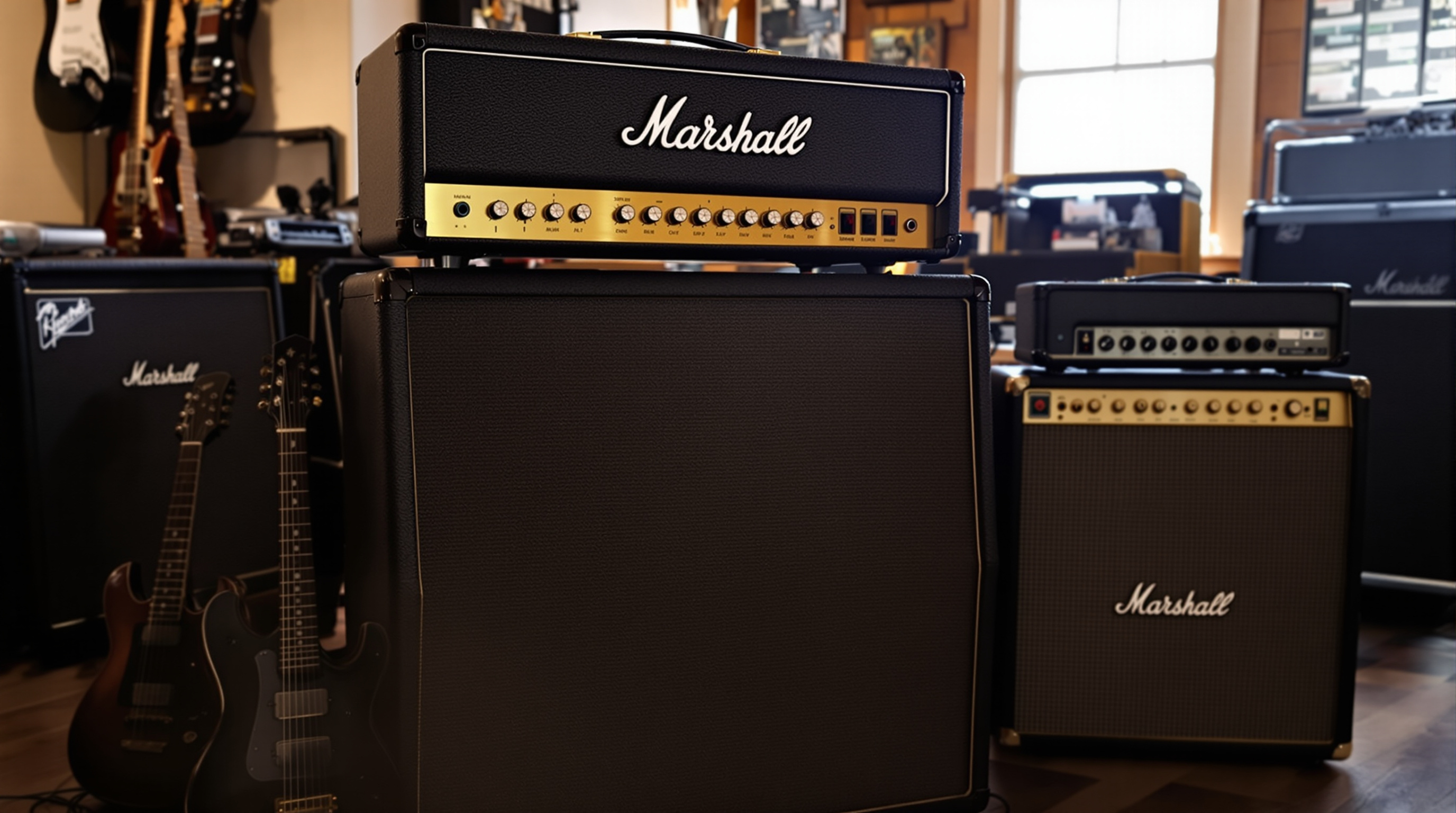
Valve amplifiers are prized for their warm, dynamic response and natural overdrive when pushed. The way tubes saturate creates harmonic richness and touch-sensitivity that many players consider essential. Classic designs from Marshall, Fender, Vox, and Mesa/Boogie define the sounds of rock, blues, and country music.
Valve amps require more maintenance than solid-state alternatives - tubes need periodic replacement, and the amplifiers are generally heavier. However, many players consider this worthwhile for the tonal benefits.
Solid-State Amplifiers
Solid-state amplifiers use transistor technology instead of valves, offering reliability, consistency, and lighter weight. Modern solid-state amps have improved dramatically, with many offering impressive clean tones and consistent performance across all volume levels.
They're excellent choices for players who need reliability without maintenance, cleaner tones at high volumes, or lighter weight for transport. Roland's Jazz Chorus is a legendary solid-state amp prized for its pristine clean tones.
Modelling Amplifiers
Digital modelling amps replicate the sounds of countless classic amplifiers in a single unit. Modern technology from brands like Boss, Line 6, and Kemper produces remarkably authentic amp tones with built-in effects and extensive programmability.
Modelling amps are ideal for players who need versatility, home recording direct to computer, or access to many amp sounds without owning multiple amplifiers. Higher-end profiling amplifiers can capture the exact character of specific amp specimens.
Combo vs. Head and Cabinet
Combo amplifiers combine the amplifier and speakers in one unit, offering convenience and portability. They're practical for most players, especially those who don't need massive volume.
Separate head and cabinet configurations allow mixing and matching components, easier transport of heavy components separately, and the ability to use different cabinets for different tones. Professional players often prefer this flexibility.
Wattage and Volume
Wattage doesn't directly correlate to volume - a 50-watt amp isn't twice as loud as a 25-watt amp. Valve amps often sound louder than their solid-state equivalents at the same wattage due to how they compress and distort.
For home practice, 1-15 watts is typically sufficient. Small gigs might need 15-30 watts, while larger venues or playing with loud drummers may require 50-100+ watts. Many modern amps include power scaling to reduce wattage for home use.
PA Systems
PA (Public Address) systems amplify vocals and instruments for live audiences. Basic systems include powered speakers that combine amplifiers and speakers in one unit, while larger systems use separate mixing desks, power amplifiers, and speaker cabinets.
Consider the venues you'll play, the number of inputs needed, and whether you need monitors for on-stage sound. Brands like QSC, JBL, and Yamaha offer reliable PA solutions for various budgets and applications.
Hearing Protection
Amplified music presents a real risk to long-term hearing health. Prolonged exposure to volumes above 85 decibels can cause permanent hearing damage, and guitar amplifiers easily exceed this threshold even at moderate settings. Professional musicians increasingly recognise hearing protection as essential equipment rather than an optional accessory.
Musician-grade earplugs from brands like Etymotic and ACS reduce volume evenly across all frequencies, preserving sound quality while protecting hearing. Custom-moulded earplugs offer the best fit and attenuation control. For practice and rehearsal, consider in-ear monitors at controlled volumes as an alternative to cranking stage monitors. Your ears are the most important piece of gear you own, and unlike amplifiers, they cannot be replaced.