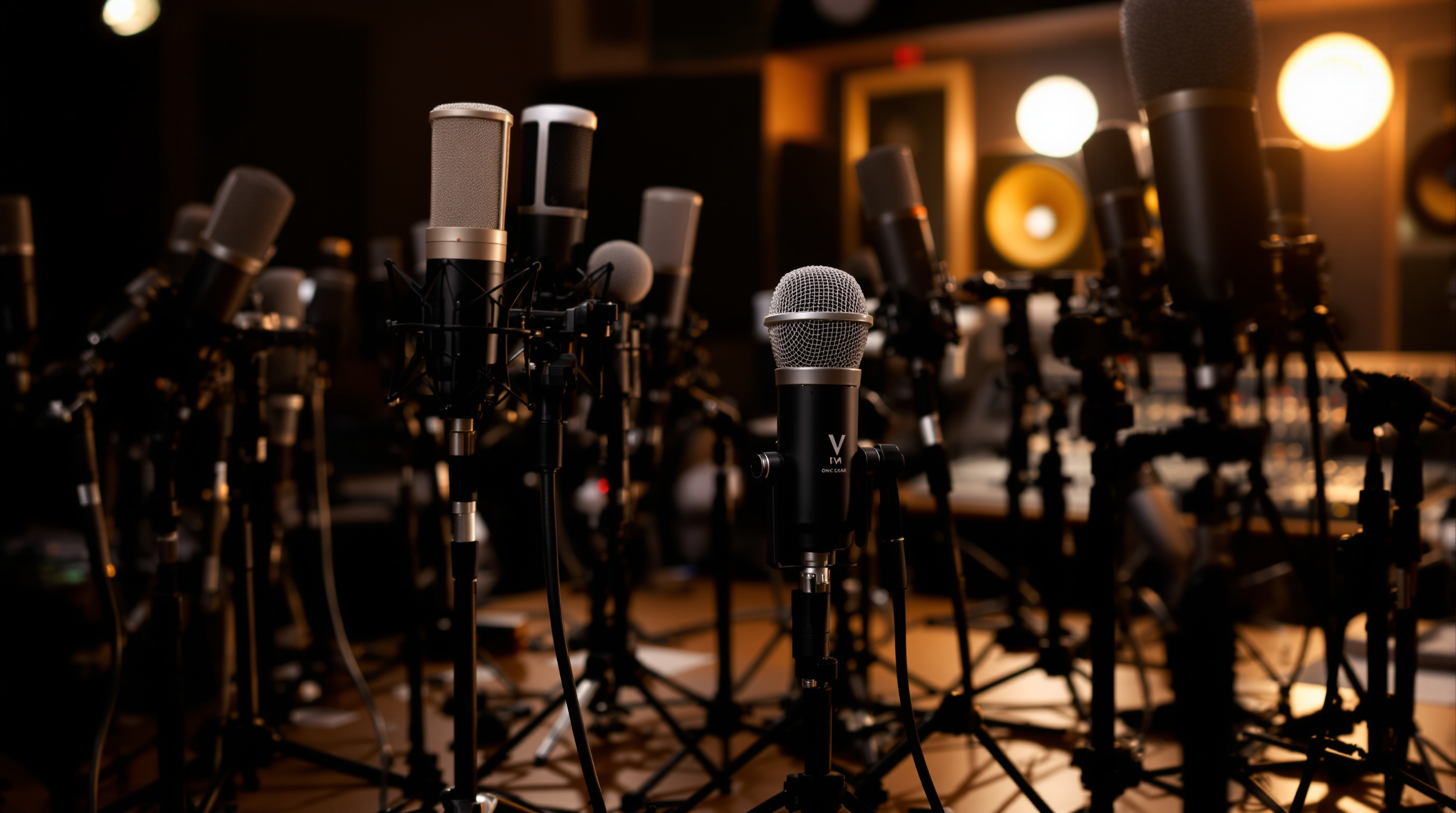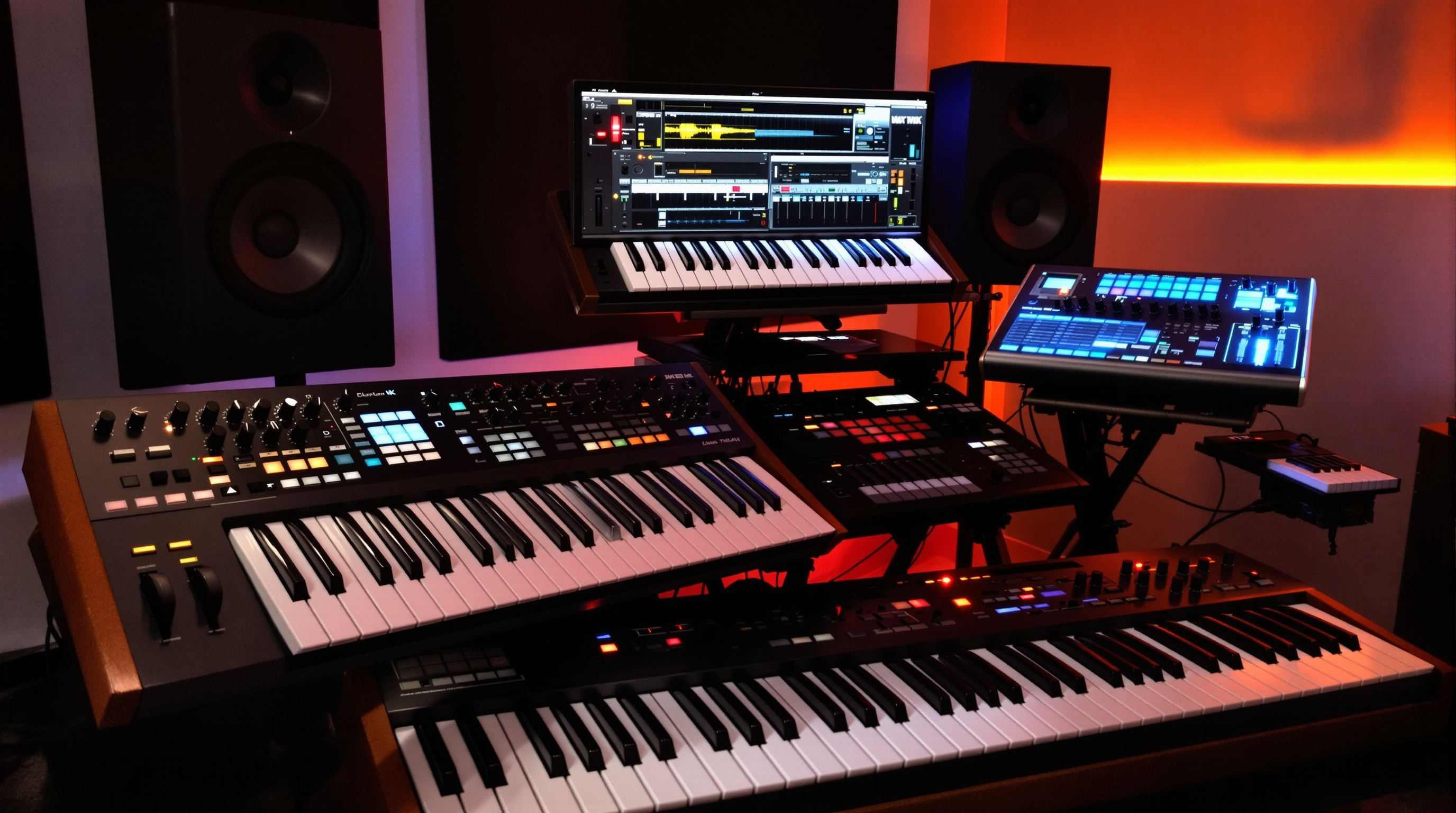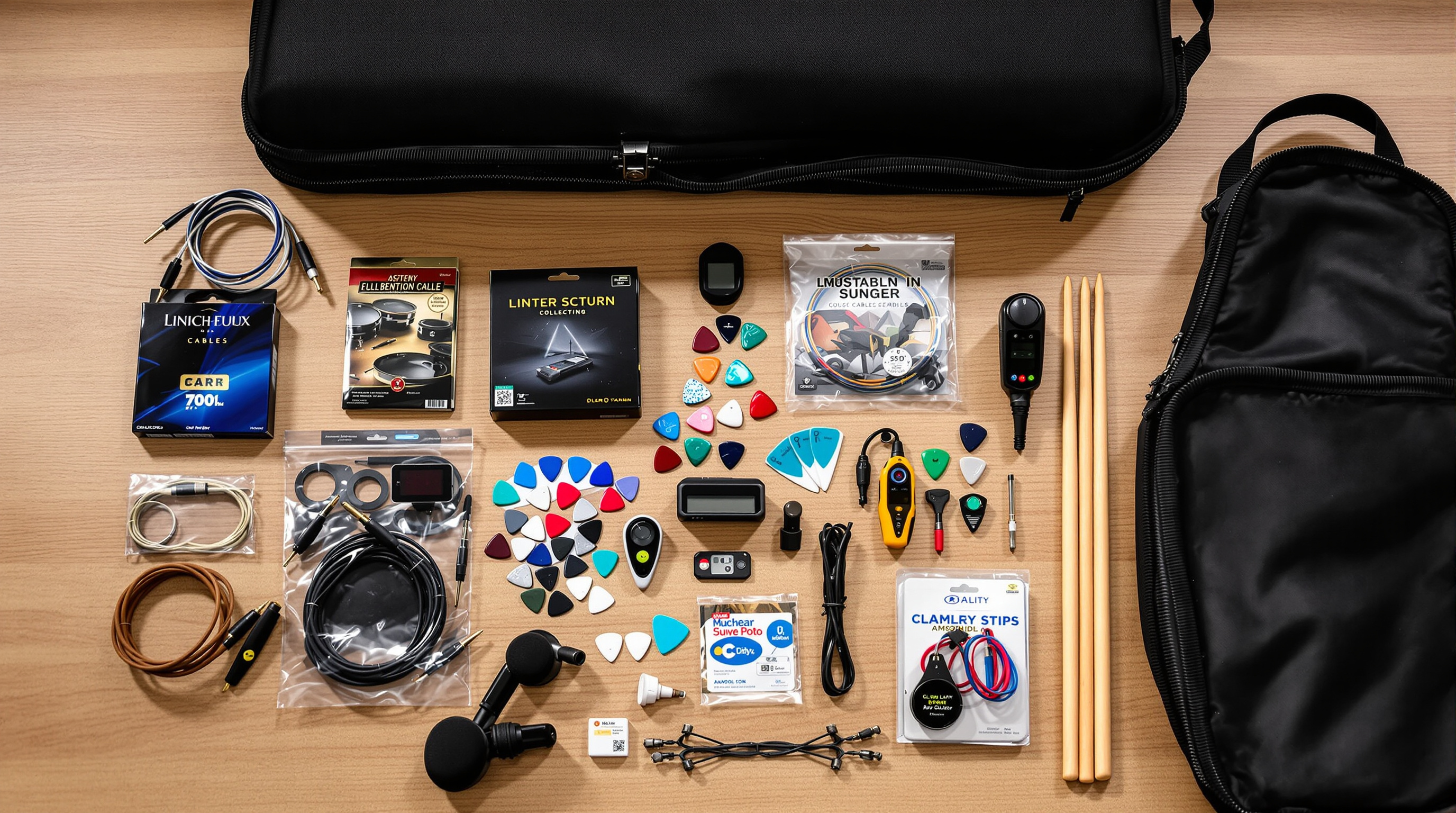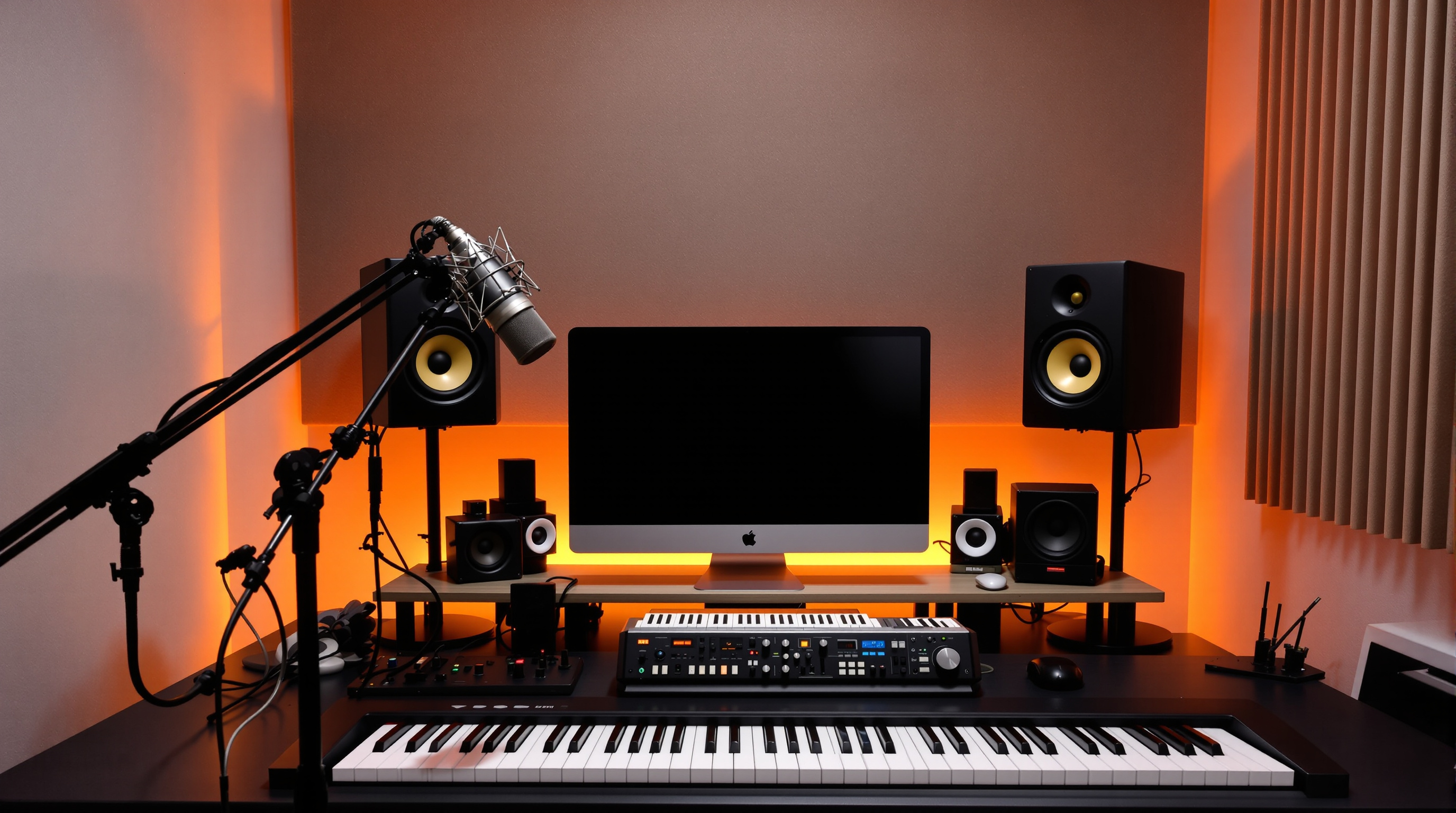
Building a home recording studio has never been more accessible or affordable. With the right equipment, you can produce professional-quality recordings in your own space. Essential recording equipment includes an audio interface, microphones, studio monitors, headphones, and a digital audio workstation (DAW).
Audio Interfaces
The audio interface is the heart of your home studio, converting analog signals from microphones and instruments into digital audio your computer can process. It also converts digital audio back to analog for your monitors and headphones.
Key specifications include the number of inputs and outputs, preamp quality, sample rate and bit depth support, latency performance, and connectivity (USB, Thunderbolt, or PCIe). Focusrite Scarlett interfaces are excellent entry-level options, while Universal Audio and RME offer premium performance.
Studio Monitors
Studio monitors provide accurate, flat frequency response essential for mixing and mastering. Unlike consumer speakers that colour the sound, monitors reveal the truth about your recordings, allowing you to make informed mixing decisions.
Consider active vs. passive monitors (active monitors have built-in amplification), driver size (larger drivers provide better bass response), and room size. Position monitors at ear level, forming an equilateral triangle with your listening position.
Studio Headphones
Quality headphones are essential for detailed editing, recording sessions (to prevent microphone bleed), and late-night work. Look for closed-back headphones for recording and open-back for mixing (though opinions vary).
Popular choices include the Audio-Technica ATH-M50x, Beyerdynamic DT 770/880/990, and Sennheiser HD 600 series. Consider comfort for long sessions, accurate frequency response, and durability.
Digital Audio Workstations (DAWs)
Your DAW is the software where you record, edit, arrange, mix, and master your music. Popular options include Pro Tools, Logic Pro, Ableton Live, FL Studio, Cubase, and Reaper. Many audio interfaces include lite versions of DAWs to get you started.
Choose a DAW that suits your workflow - some excel at recording live instruments, others at electronic music production. Most offer free trials, so experiment before committing.
Acoustic Treatment
Room acoustics dramatically affect recording and mixing quality. Basic treatment includes absorption panels for controlling reflections, bass traps for low-frequency problems, and diffusers for maintaining liveliness without flutter echoes.
Start with treating first reflection points (walls to the sides and behind your monitors) and the corners of your room. Even modest treatment significantly improves mixing accuracy.
Building Your Setup
Start with the essentials and expand as your needs grow. A quality audio interface, one good microphone, studio headphones, and free or included DAW software is enough to begin. Add monitors, additional microphones, and treatment as your skills and budget allow.
Invest more in microphones and room treatment than processing power - a well-recorded signal in a treated room will always sound better than heavily processed recordings.
Studio Ergonomics and Producer Health
Long hours in the studio can take a toll on your body if your workspace is poorly arranged. Repetitive strain from mousing, neck tension from poorly positioned monitors, and back pain from inadequate seating are common complaints among home producers and engineers.
Position your computer monitor at eye level, invest in a quality adjustable chair with lumbar support, and consider a standing desk converter for alternating between positions. Take regular breaks to stretch your arms, shoulders, and neck - the 20-20-20 rule (every 20 minutes, look at something 20 feet away for 20 seconds) helps reduce eye strain during extended mixing sessions. Your best recordings come when you are physically comfortable and mentally focused.